Spotify Wrapped gave me the idea, which is a slightly embarrassing thing to admit about a road trip. Last December I was scrolling through a year of my listening habits turned into pastel cards, and I kept wondering what the driving version would look like. Every wrong exit. All the stops that ran long. I’d just come back from Austin to Sedona with my college friends, four cars, and the group chat was still busy while the details were already going soft.
The driving version already existed. We just hadn’t opened it yet.
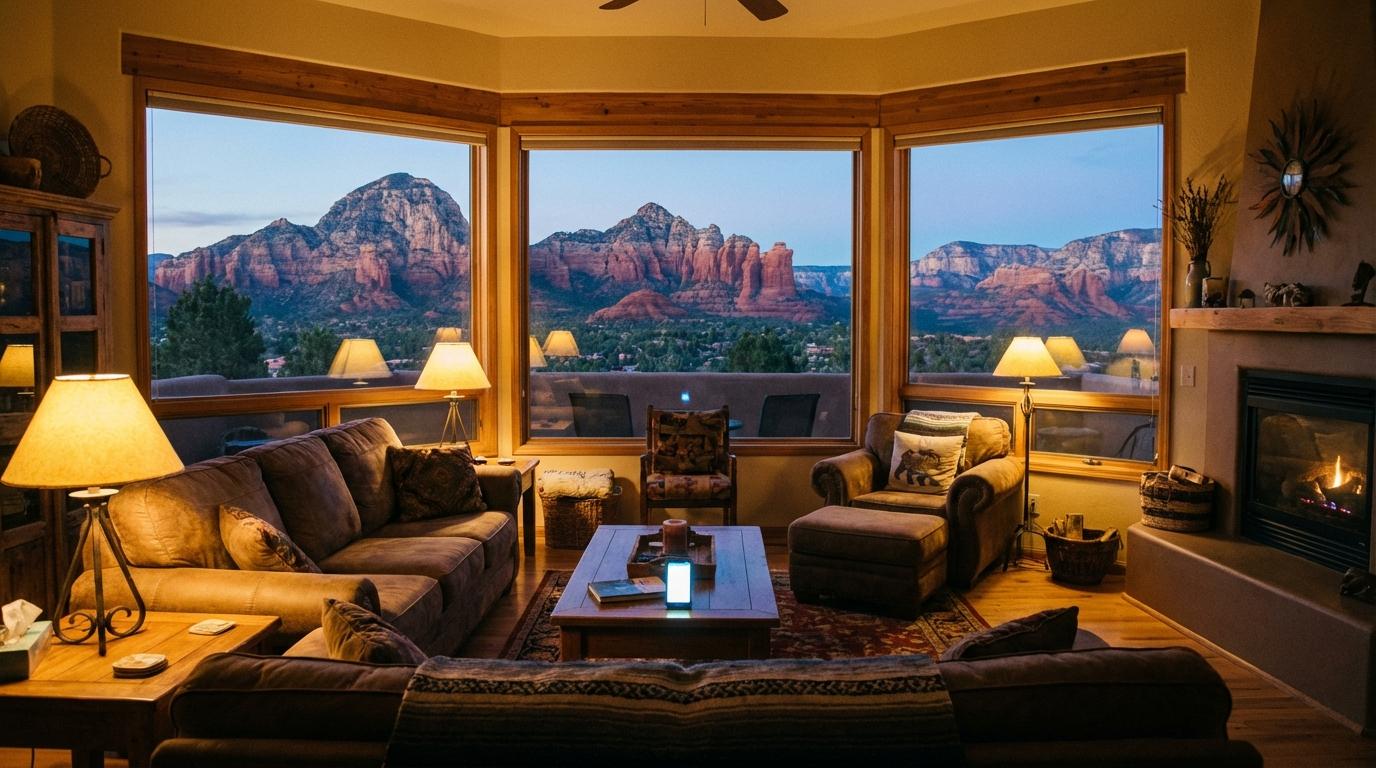
On our last night in Sedona we were crammed into the Airbnb living room with the heater ticking and red dust on everybody’s shoes. Priya pulled up the trip replay on her phone. All four cars had been in the same Konvoyage trip the whole way, mostly so we could see each other on the map, and nobody had thought about what happens to that data afterward. She hit play. The whole drive ran by in a few minutes, little colored dots crawling west across Texas, and for once the room went quiet.
I used to think tracking a road trip took some of the fun out of it. That night changed my mind, mostly because the replay was funnier than anything we’d said at dinner. Even Owen laughed, and he came out of it worst.
The replay doesn’t flatter anyone
There’s no highlight reel. You get the actual shape of the trip, boring parts included. West Texas looked great on screen: four dots in a tight bunch for hours, nobody straying. That part plays like a screensaver, which is exactly how I want West Texas to go.
Las Cruces is where it fell apart. The plan was to turn north toward Albuquerque and come into Sedona from Flagstaff. Owen’s navigation preferred the interstate toward Tucson, and Owen preferred not to argue with it. On the replay you can watch his dot keep heading west while the rest of us bend north, and the gap just keeps opening.
By the time the “falling behind” alert showed up on our phones, he was more than 10 km away from us. His passenger spotted it first and called. Everyone in that living room groaned at the same moment.
He turned around at the next exit, and we waited for him at a rest area north of town. That detour cost us about an hour, which the replay also shows, in the least flattering way possible.
I’m the one in our group who plans these trips, so part of the replay was me watching my own plan get ignored. The Albuquerque turn was my idea. I’d posted it in the group chat the night before and again at breakfast, and somehow it still came as news to Owen.
Jess insisted on a Buc-ee’s detour the first morning. The rest of us went on to a gas station further up the road and waited, and since we could see her dot parked on the map the whole time, nobody was worried, just annoyed. When nobody in a trip is moving, the replay skips ahead and shows a label at the top of the map instead of making you watch parked dots. Ours said “Stopped · 48m”. Jess had sworn it was twenty minutes. She still says the line was long.
Stops look different from the couch
Stops are where everyone’s memory is most generous. On the road a stop feels like nothing, a bathroom and a coffee. Watch it back and you can see which car is always last out of the parking lot (Jess, every single time, and she knows it).
I’ve planned slower trips, like Route 66 with four generations in the car, where long stops were the whole point. On a college trip with an Airbnb check-in waiting at the end, they add up fast.
Inside jokes need evidence
Mostly the replay corrected what we remembered, and a corrected memory makes for much better teasing. Priya said later that we talk about this trip more than any trip we’ve taken, and she thinks it’s because we watched it back together. She’s probably right. Older trips, with nothing but a handful of photos and a vague memory of a taco place, were gone within a month.
This one has its own vocabulary now. “Pulling a Buc-ee’s” means taking forever at anything, including picking a restaurant. When the group chat starts heading in different directions at once, somebody calls it a Las Cruces.
Owen took it well, eventually. On the drive home he had his passenger send “Wait for me” from the quick messages before every big exit, as a bit, and we stopped finding it funny somewhere around Amarillo.
Finding the Airbnb was its own small fight, a gravel turnoff our phones disagreed about. Priya found it first and stood in the driveway waving her phone light at the rest of us. Reaching an unfamiliar place with a group already tests everyone’s patience, and in the replay you can watch most of the dots loop back past the turnoff while Priya’s sits in the driveway. That clip got replayed more than once.
The end screen gives you the distance in km and how long the whole thing took. We looked at those numbers for about a second before going back to arguing about whether we really needed the second gas station. Priya screenshotted it for the group chat anyway.
You fix things without trying
Nobody in that living room was trying to drive faster next time. We were mostly laughing at Owen. Still, a couple of patterns stuck, the kind you can’t see from a driver’s seat. Our group comes apart at big interchanges, where the signs come fast and the lane changes stack up. And the first afternoon was too long: you can watch the gaps between dots stretch out across the desert as everybody got tired at a different rate.
El Paso was a smaller version of the same problem. Nobody got lost there, but watching the dots go through the interchange, we came out in a completely different order than we went in and spent a long stretch of highway sorting ourselves back out. One bad lane choice and it would have been another Las Cruces.
Next time someone suggests a Buc-ee’s, I’d bet the stop is shorter, and I won’t have said a word. Everyone remembers the 48 minutes.
How to run the debrief
Do it on the last night, or the first weekend you’re home. The replay link goes to everyone in the trip, in a notification and in the trip summary email, and it works for 30 days. There’s no rush, but the jokes land better while everyone still remembers who was in which car. We did ours on the couch with leftover pizza, which I recommend.
Put it on the biggest screen you’ve got. It opens in a browser, so a laptop or a TV with a browser works, and nobody has to sign in to watch. Let it play through once. Then open the Timeline and go back to whatever people are arguing about.
The Timeline panel lists what happened in order, chat included, with a filter for just the messages. Tap an entry and the replay jumps to that moment. That’s how we matched Priya’s “where ARE you”, typed from the passenger seat, to exactly where Owen’s dot was when she sent it. Priya was not thrilled to hear it read out loud.
Know going in that the replay shows moving dots, not lines drawn along the roads. I wanted the lines at first, then decided I liked watching the group move as a group without them.
Pay most attention to the stops and the splits, since that’s where your group’s habits show. If people get restless during a long highway stretch, drag the bar at the bottom and skip ahead. The speed buttons also go a lot higher than you’d think, so nobody has to sit through an empty interstate.
Before the next trip, pick one thing from the replay and plan around it. For us that means a meeting point agreed before the big interchange, and extra time after any stop Jess is part of.
If a friend missed the trip, send them the link too. They’ll get the jokes a lot faster.