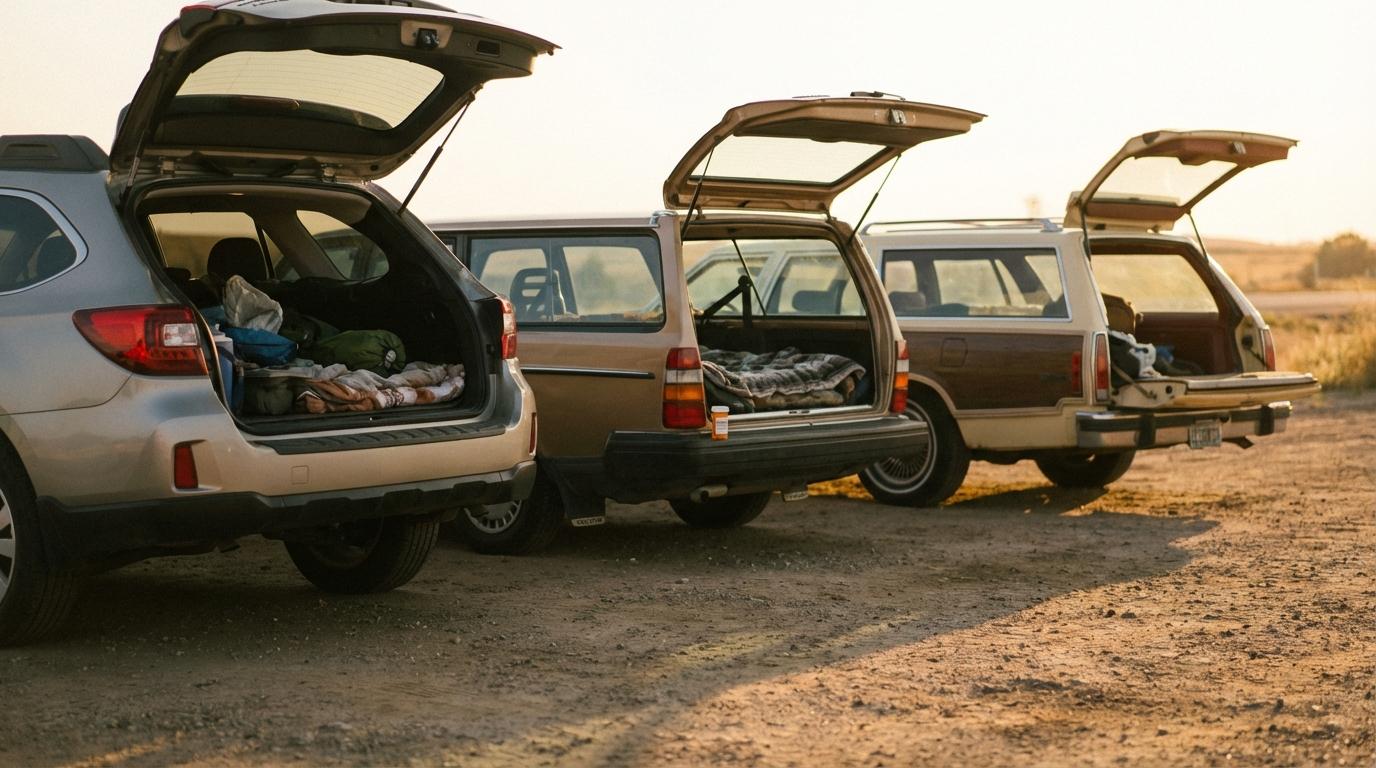
I once drove right past a perfectly good rest area while my friend Priya’s inhaler sat in a duffel bag in the car behind us. She was fine (she had a spare in her purse, which is the only reason I can tell this story without wincing). Someone else moved the bag, but I had organized the trip and never asked a single question about medication.
Since then I check medication before anyone starts an engine. It still goes wrong now and then: someone consolidates the coolers at a gas stop and shoves a backpack into whichever trunk had room, and nobody notices until a dose is overdue and the bag is a couple of cars back.
Which Meds Actually Require a Stop
Not every missed dose is an emergency, and you want to know which kind you have before anyone starts debating exits.
If it’s insulin, an EpiPen, a rescue inhaler or nitroglycerin, the car with the person in it pulls over at the first safe spot. Call 911 if symptoms have already started, and let the meds catch up with you. Nobody gets to argue for pushing on to the next town.
Everything else is a conversation. Blood pressure pills, SSRIs, thyroid meds and most antibiotics usually come with some slack, and the person who takes them knows how much (ask them, don’t guess for them). If they say an hour is fine, it’s fine. And when it can wait until lunch, the dose rides along to lunch and nobody detours. Vitamins don’t even get a conversation.
The Regroup
Say the dose can’t wait and it’s in another car. Whoever is in the passenger seat makes a single phone call to find out which car has it (the driver stays off the phone, obviously). A group text full of “wait, I think Jake has it?” costs more time than the detour. Once you know, both cars take the next exit with a gas station or rest area while everyone else keeps going, and the handoff happens in a parking space with both engines off. Check the label first. I have watched the wrong orange bottle get passed across.
If it’s just your two cars, that’s the whole thing.
A bigger group doesn’t need to stop, but they do need to know you just left. On a shared live map with automatic convoy alerts, the rest of the group can see where you pulled off, and Konvoyage posts a “has stopped” alert to the whole trip once your car has sat still for a bit (which saves someone a “where are you??” call). Back on the highway, your passenger can check how far ahead they are and plan to meet at the next stop instead of racing to close the gap.
One thing I won’t budge on: no moving handoffs. I once heard someone seriously propose passing a pill bottle between windows in a parking lot with both cars still rolling. Park first.
Pharmacy Backup
Sometimes the car with the meds is too far ahead to chase. CVS and Walgreens can usually transfer a prescription between their own stores, and many states let a pharmacist give out a short emergency supply of a maintenance medication without a new prescription. The rules vary by state, so call ahead. Have the prescription number and the doctor’s name ready (I keep photos of every pill bottle label on my phone for exactly this).
And if no pharmacy is reachable and symptoms are getting worse, pull over and call 911.
“Does Anyone Need Meds With Them?”
I ask this once per trip, while the trunks are still open. Because it’s addressed to everyone, nobody feels singled out, and people go back and check their own bag without being asked twice.
The Day Pack
Anyone on a multi-car trip who takes daily medication should carry a day’s supply on their body. A snack-size Ziploc in a jacket pocket is plenty for pills. For insulin I’d look at a Frio cooling wallet, since a parked car in summer gets hot fast.
The full bottles can stay in the trunk. If the cars do get separated, the pocket dose buys you time, and a passenger can send the “Wait for me” quick message so the others aren’t left guessing. Mostly, though, I use live group location sharing so I can see the car with the meds sitting right behind us long before anyone is due a dose.
The night before your next trip, add one line to the group message: “If you take daily meds, put tomorrow’s dose in a pocket before we load the cars.” Anyone who has taken the same pill for years probably does this already. It’s the person who started a course of antibiotics last Tuesday who forgets, so say it to everyone anyway.